Sudoku vs Chess: Which Brain Game Is Better for You?
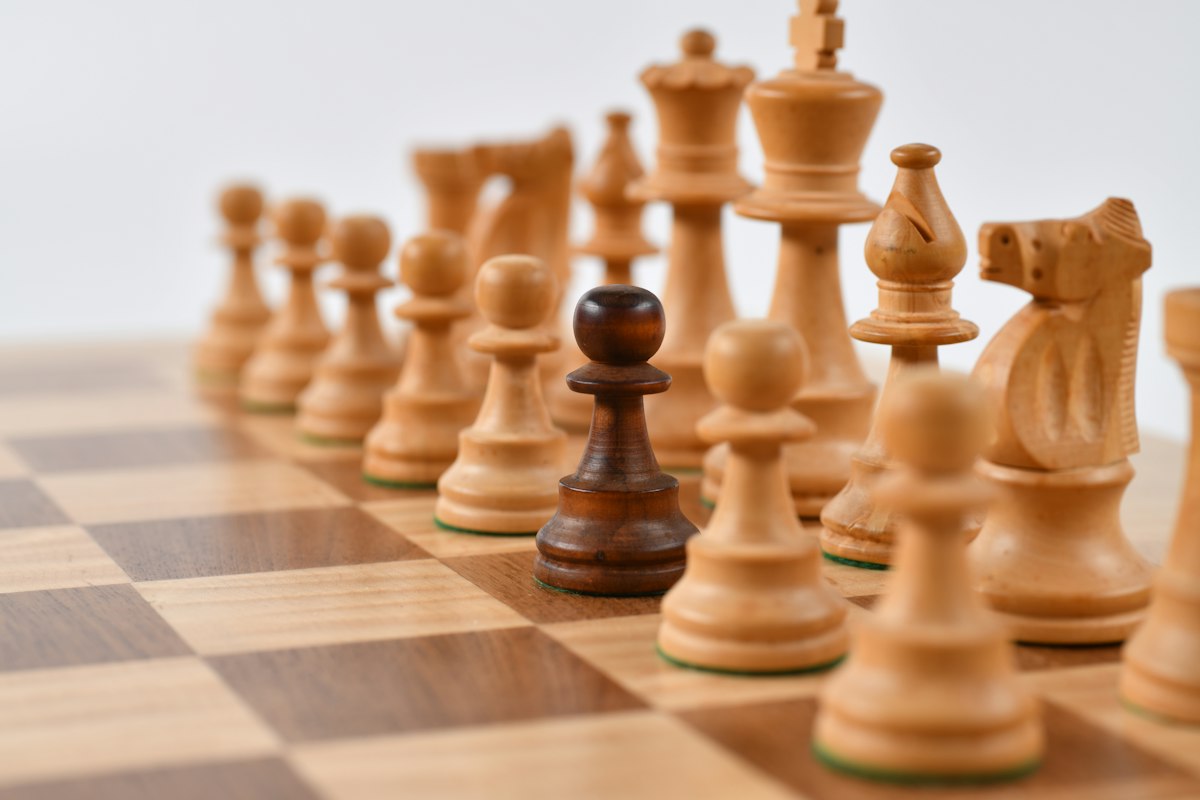
It's the ultimate brain game showdown. In one corner: sudoku, the number puzzle that's conquered newspapers, phones, and waiting rooms worldwide. In the other corner: chess, the ancient strategy game of kings, grandmasters, and Netflix miniseries.
Both claim to sharpen your mind. Both have passionate communities. Both can be learned in minutes but take a lifetime to master. So which one is actually better for you?
The answer, like any good puzzle, isn't as simple as it seems.
Round 1: Brain Benefits
Sudoku's Strengths
Sudoku is a pure logic machine. Every puzzle engages:
- Deductive reasoning — eliminating possibilities through logical rules
- Working memory — holding multiple candidates and constraints in your head
- Pattern recognition — spotting naked pairs, X-Wings, and other formations
- Spatial awareness — navigating the relationships between rows, columns, and boxes
Research from the University of Exeter found regular puzzle solvers had cognitive function equivalent to people 8-10 years younger. Read more about the brain benefits of sudoku.
Chess's Strengths
Chess exercises a different set of mental muscles:
- Strategic planning — thinking multiple moves ahead
- Opponent modeling — predicting what the other player will do
- Risk assessment — evaluating trades and sacrifices
- Creative problem-solving — finding unexpected combinations
Studies show chess improves planning ability and can enhance math performance in children.
The Verdict
Draw. They train different cognitive skills. Sudoku leans toward logical deduction and pattern recognition. Chess leans toward strategic thinking and planning under uncertainty. Both are excellent for your brain — but in different ways.
Round 2: Accessibility
Learning Curve
Sudoku: Three rules. That's the entire rulebook. Every row, column, and box must contain 1-9 with no repeats. A complete beginner can start solving very easy puzzles within five minutes of learning the rules.
Chess: Six different pieces, each moving differently. Special moves (castling, en passant, promotion). Opening theory. Endgame theory. A beginner can learn to move pieces in an hour, but playing competently takes weeks or months.
Time Commitment
Sudoku: A puzzle takes 5-30 minutes depending on difficulty. You can stop mid-puzzle and come back later. No opponent is waiting.
Chess: A casual game takes 10-30 minutes. A serious game can take hours. And once you start, your opponent expects you to finish.
Solo vs Social
Sudoku: Inherently a solo activity (though our daily sudoku leaderboard adds a competitive element). Perfect for introverts and anyone who wants to decompress without social pressure.
Chess: Requires an opponent (or a computer). This can be a pro (social interaction is good for brain health) or a con (sometimes you just want to puzzle alone).
The Verdict
Sudoku wins on accessibility. It's simpler to learn, more flexible with time, and doesn't require another person. You can play during a coffee break, on a bus, or at 2 AM without finding an opponent.
Round 3: Stress and Enjoyment
The Stress Factor
This is where the two games diverge sharply.
Sudoku is fundamentally stress-free. There's no opponent trying to beat you. No clock ticking down (unless you want one). No possibility of being outplayed, humiliated, or losing a 45-minute game because of one blunder. The puzzle is patient. It waits for you.
Chess involves direct competition, and competition means stress. The anxiety of being low on time, the frustration of blundering a piece, the sting of losing to someone you think you should beat. Chess can be deeply satisfying, but it can also be deeply frustrating.
The Flow State
Both games excel at producing flow states — that blissful feeling of total absorption. However:
- Sudoku produces flow more reliably because difficulty is consistent and there are no external disruptions
- Chess flow depends on having an evenly matched opponent, which isn't guaranteed
The Verdict
Sudoku wins for relaxation. Chess wins for adrenaline. If you want to unwind, sudoku is the clear choice. If you want competitive fire and the thrill of outplaying a human opponent, chess delivers that.
Round 4: Portability and Convenience
Sudoku: Needs nothing but a grid and something to write with. On SudokuLovers.com, you have unlimited puzzles in your browser — no app download, no account required, no opponent to find.
Chess: Needs a board, pieces, and an opponent (or a chess app/website). Online chess requires finding a match, which can involve waiting and dealing with opponents who disconnect mid-game.
The Verdict
Sudoku wins. Open browser, play puzzle, done. No dependency on anyone else's availability or behavior.
Round 5: Community and Culture
Sudoku Culture
Sudoku has a quieter, more personal community. Players tend to share tips, celebrate personal bests, and quietly compete on daily leaderboards. It's less about being better than others and more about personal improvement.
Tournaments exist (the World Sudoku Championship is a real thing), but most players engage casually.
Chess Culture
Chess has a massive, passionate community. Streaming, tournaments, personalities (shoutout to Magnus Carlsen), controversy, drama. The chess world is a spectator sport with millions of fans.
If you want community engagement, content to consume, and a sense of belonging to a larger movement, chess delivers more of that.
The Verdict
Chess wins on community. Sudoku wins on peace and quiet.
Round 6: Long-Term Growth
Skill Ceiling
Both games have enormous depth, but the growth paths differ.
Sudoku: You progress through difficulty levels (easy → medium → hard → evil) and learn increasingly advanced techniques. Growth is measurable and satisfying. But the ceiling is real — once you've mastered all the techniques, improvement becomes about speed rather than new skills.
Chess: The skill ceiling is virtually infinite. Grandmasters are still learning and improving in their 40s. There's always a higher-rated player, a deeper opening line, a more elegant endgame technique.
The Verdict
Chess wins for infinite depth. Sudoku wins for achievable mastery. Chess will challenge you forever but might also frustrate you forever. Sudoku offers the satisfaction of genuine mastery — the feeling that you can tackle any puzzle.
So… Which Is Better?
Neither. Both. It depends on what you want.
Choose sudoku if you want:
- A relaxing, solo mental workout
- Quick sessions that fit into any schedule
- Minimal learning curve, maximum satisfaction
- Stress-free brain training
Choose chess if you want:
- Competitive, head-to-head mental combat
- Infinite depth and lifelong learning
- A vibrant community and culture
- Strategic thinking under pressure
Choose both if you want:
- The complete brain workout. Sudoku for deductive logic, chess for strategic planning. They complement each other perfectly.
Many people play sudoku daily for the calm, consistent brain exercise, and chess when they want something more social and competitive.
The Real Winner
The real winner is you — for doing something good for your brain instead of doomscrolling. Whether that's a daily sudoku, a chess match, or both, your neurons will thank you.
Ready for your brain workout? Play sudoku now →