Is Sudoku Good for Your Brain? What Science Actually Says
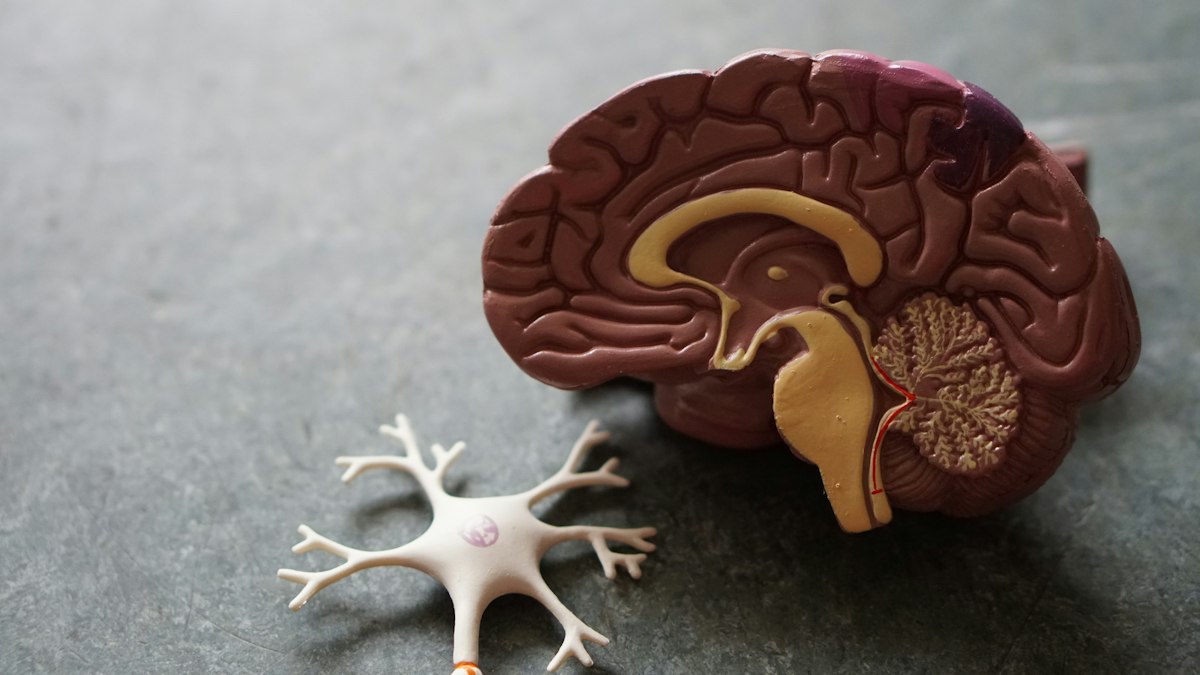
"Sudoku is good for your brain." You've probably heard this claim a hundred times. Your aunt posts about it on Facebook. Your dentist's waiting room has a puzzle book with "Keep Your Mind Sharp!" on the cover. But is it actually true, or is it just something puzzle enthusiasts tell themselves?
Let's look at what the research actually says.
The Short Answer
Yes, sudoku is genuinely good for your brain. But the reasons might be different from what you think.
What Sudoku Does to Your Brain
When you solve a sudoku puzzle, your brain engages several distinct cognitive systems simultaneously. It's not one exercise — it's a full workout.
Logical Reasoning
Every move in sudoku is a deduction. "This cell can't be 5 because there's already a 5 in this row. It can't be 3 because there's a 3 in this box. Therefore it must be 7."
This is deductive reasoning — the same mental process used in programming, medical diagnosis, legal argumentation, and scientific analysis. Every sudoku puzzle is a mini exercise in structured logical thinking.
Working Memory
Working memory is your brain's RAM — the information you hold and manipulate in real-time. During sudoku, you're simultaneously tracking:
- Which numbers are in the current row, column, and box
- Which candidates remain for the cell you're examining
- Which technique you're currently applying
- Where you noticed interesting patterns elsewhere in the grid
Research published in the International Journal of Geriatric Psychiatry found that regular puzzle engagement is associated with better working memory performance, particularly in older adults.
Pattern Recognition
Advanced sudoku techniques like naked pairs, X-Wings, and Swordfish are all about recognizing visual patterns in the grid. This trains your brain's pattern recognition systems — the same systems that help you read social situations, spot trends in data, or recognize faces in a crowd.
The more you practice, the faster these patterns jump out at you. That's your brain literally rewiring itself through a process called neuroplasticity.
Spatial Reasoning
Sudoku is played on a grid, and you're constantly thinking about relationships between cells based on their position — same row, same column, same box. This engages spatial reasoning abilities that also apply to navigation, architecture, and understanding physical relationships between objects.
What the Studies Say
The PROTECT Study
One of the largest studies on puzzles and cognitive function is the PROTECT study from the University of Exeter, which followed over 19,000 participants aged 50 and above. The findings were striking:
- Regular puzzle solvers had brain function equivalent to people eight years younger on short-term memory tests
- On grammatical reasoning tests, the benefit was equivalent to being ten years younger
- The more frequently people solved puzzles, the stronger the effect
Neuroimaging Research
Brain imaging studies show that puzzle-solving activates the prefrontal cortex (planning and decision-making), the parietal lobes (spatial processing), and the hippocampus (memory formation). Activating these regions regularly helps maintain their structural integrity as we age.
The Flow State Connection
Research on flow states — that feeling of being completely absorbed in a task — shows that sudoku is one of the activities most likely to trigger flow. Flow states are associated with increased dopamine production, reduced anxiety, and enhanced long-term learning.
If you've ever looked up from a sudoku puzzle and realized 30 minutes passed without you noticing, you've experienced flow. And that state is profoundly good for mental health.
Specific Cognitive Benefits
Let's break it down into concrete benefits:
Improved concentration. In an age of constant distraction, sudoku trains sustained focus. You can't solve a puzzle while scrolling Twitter. (Well, you can try. It won't go well.)
Better decision-making. Every cell placement is a decision based on evidence. This trains your brain to evaluate options systematically rather than going with gut instinct.
Reduced mental decline. While no single activity "prevents" conditions like Alzheimer's, regular cognitive engagement — including puzzle-solving — is consistently associated with lower rates of cognitive decline in older adults.
Stress reduction. As we discussed in our article on daily sudoku habits, the focused engagement of puzzle-solving acts as a form of active meditation, reducing cortisol levels and anxiety.
Increased confidence. Successfully solving a difficult puzzle produces genuine satisfaction and builds self-efficacy. This might seem minor, but regular small wins compound into a stronger sense of capability.
What Sudoku Doesn't Do
Let's be honest about limitations too:
It won't raise your IQ. Intelligence is complex, and no single activity dramatically changes it. Sudoku makes you better at sudoku-like thinking, and those skills transfer to some degree — but it's not a magic pill.
It's not a substitute for physical exercise. The brain benefits from cardiovascular fitness even more than from puzzle-solving. The best brain health strategy combines both: go for a run, then solve a puzzle.
Variety matters. Doing only sudoku isn't as beneficial as combining it with other cognitive activities — reading, learning languages, playing music, social interaction. Your brain thrives on diverse stimulation.
Sudoku vs Other Brain Games
How does sudoku compare to other popular "brain training" activities?
Sudoku vs crosswords: Crosswords exercise verbal memory and trivia recall. Sudoku exercises logical reasoning and spatial skills. They're complementary, not competing.
Sudoku vs brain training apps: Many commercial brain training apps have failed to show transfer effects — the skills you build in the app don't carry over to real life. Sudoku's advantages are more robust because it trains general reasoning processes, not narrow task-specific skills.
Sudoku vs chess: Both are excellent for the brain. Chess and sudoku exercise different cognitive muscles — chess adds strategic planning and opponent modeling, while sudoku focuses on pure deductive logic. Why choose? Play both.
The Best Brain Benefits Come from Challenge
Here's an important nuance: the cognitive benefits of sudoku are strongest when you're challenged. If you've been solving easy puzzles for years and they feel automatic, your brain isn't working as hard.
To maximize brain benefits:
- Play at or slightly above your comfort level. If medium feels easy, move to hard.
- Learn new techniques. When you master a new strategy, you create new neural pathways.
- Play regularly. Like physical exercise, consistency matters more than intensity.
- Time yourself occasionally. Speed pressure forces deeper engagement and sharper thinking.
Our daily sudoku is perfect for this — it varies in difficulty and provides a consistent daily challenge.
The Bottom Line
Is sudoku good for your brain? The evidence says yes — for logical reasoning, working memory, pattern recognition, concentration, stress reduction, and potentially for slowing age-related cognitive decline.
But the real question isn't whether sudoku is good for your brain. It's whether you enjoy it. Because the best brain exercise is the one you actually do, consistently, because you want to.
And if you're reading an article about sudoku on a website called SudokuLovers… you probably already have your answer.